
Big goals often come with big expectations. People imagine that meaningful change requires a complete transformation, a strict routine, or a sudden burst of motivation. But in everyday life, lasting improvements usually come from something much simpler: small actions repeated consistently.
Tiny habits may seem insignificant at first. Drinking more water, putting things back after using them, spending a few minutes planning your day, or taking a short walk may not feel life-changing in the moment. However, these small choices build patterns, and patterns shape the way we live.
The power of small changes comes from their ability to become part of who we are without feeling overwhelming.
Why Small Changes Are Easier to Maintain
One of the biggest reasons people struggle with change is that they try to do too much at once. A sudden lifestyle overhaul can feel exciting at the beginning, but maintaining it becomes difficult when life gets busy.
Small changes require less effort and less adjustment. They fit into your existing routine instead of demanding that you completely redesign your life.
When a habit feels easy enough to repeat, you are more likely to continue doing it. Over time, those repeated actions create results that are much bigger than the original effort.
Tiny Habits Create Bigger Results Over Time
A small action repeated every day can create a significant impact. The results may not be obvious immediately, but progress builds quietly in the background.
Reading a few pages each day can lead to finishing multiple books over time. Saving a small amount regularly can create financial progress. Spending a few minutes organizing daily can prevent hours of cleaning later.
Small habits work because they focus on consistency. They are not about making a huge difference in one moment; they are about creating improvement that continues.
Small Changes Help You Build Confidence
Every time you follow through on a small habit, you create evidence that you can trust yourself.
Many people lose motivation because they set goals that feel too far away. When progress feels invisible, it becomes easier to give up.
Small habits create frequent moments of success. Completing a simple action reminds you that change is possible and encourages you to keep moving forward.
Confidence grows through small promises you keep to yourself.
Focus on Systems Instead of Perfect Results
A common mistake is focusing only on the final outcome. People think about losing weight, becoming organized, saving money, or reaching a goal without considering the daily actions required to get there.
Small habits shift your attention from the result to the process.
Instead of asking, “How can I completely change my life?” ask, “What is one small action I can repeat that moves me in the right direction?”
A good system makes progress easier because it focuses on what you can control every day.
Small Habits Reduce Stress in Daily Life
Many daily struggles come from small things adding up. A messy space, forgotten tasks, rushed mornings, or poor planning can create unnecessary pressure.
Tiny habits can reduce that stress before it builds.
Preparing something the night before, spending a few minutes resetting your space, or creating a simple routine can make your day feel smoother.
Small actions create support systems that make everyday life easier to manage.
How to Start Building Tiny Habits
The best small habit is one that feels realistic for your current life. If you choose something too difficult, it becomes another responsibility instead of a helpful change.
Start with something simple. If you want to read more, begin with a few pages. If you want a cleaner home, start with one small area. If you want better mornings, prepare one thing the night before.
The goal is not to impress yourself with a difficult challenge. The goal is to create something you can continue.
Attach New Habits to Existing Routines
One of the easiest ways to build a habit is connecting it to something you already do.
For example, you might stretch after brushing your teeth, write a short plan after your morning coffee, or tidy a small space before going to bed.
Existing routines act as reminders, making new habits easier to remember and repeat.
Over time, the new action becomes a natural part of your day.
Give Yourself Room for Imperfect Days
Consistency does not mean doing everything perfectly. Life changes, schedules get busy, and some days will not go as planned.
A small habit should support your life, not create more pressure.
Missing one day does not erase your progress. What matters is returning to the habit and continuing.
The strength of small changes comes from their ability to survive real life.
Final Thoughts
Small changes may not feel powerful in the beginning, but their impact grows through repetition. The habits you build today shape the person you become over time.
A better life is rarely created by one huge decision. It is created through the small choices you make again and again.
When you focus on tiny improvements, you make change feel possible, sustainable, and connected to your everyday life. Small steps may seem simple, but they are often the ones that create the biggest transformations.
Featured Resources:
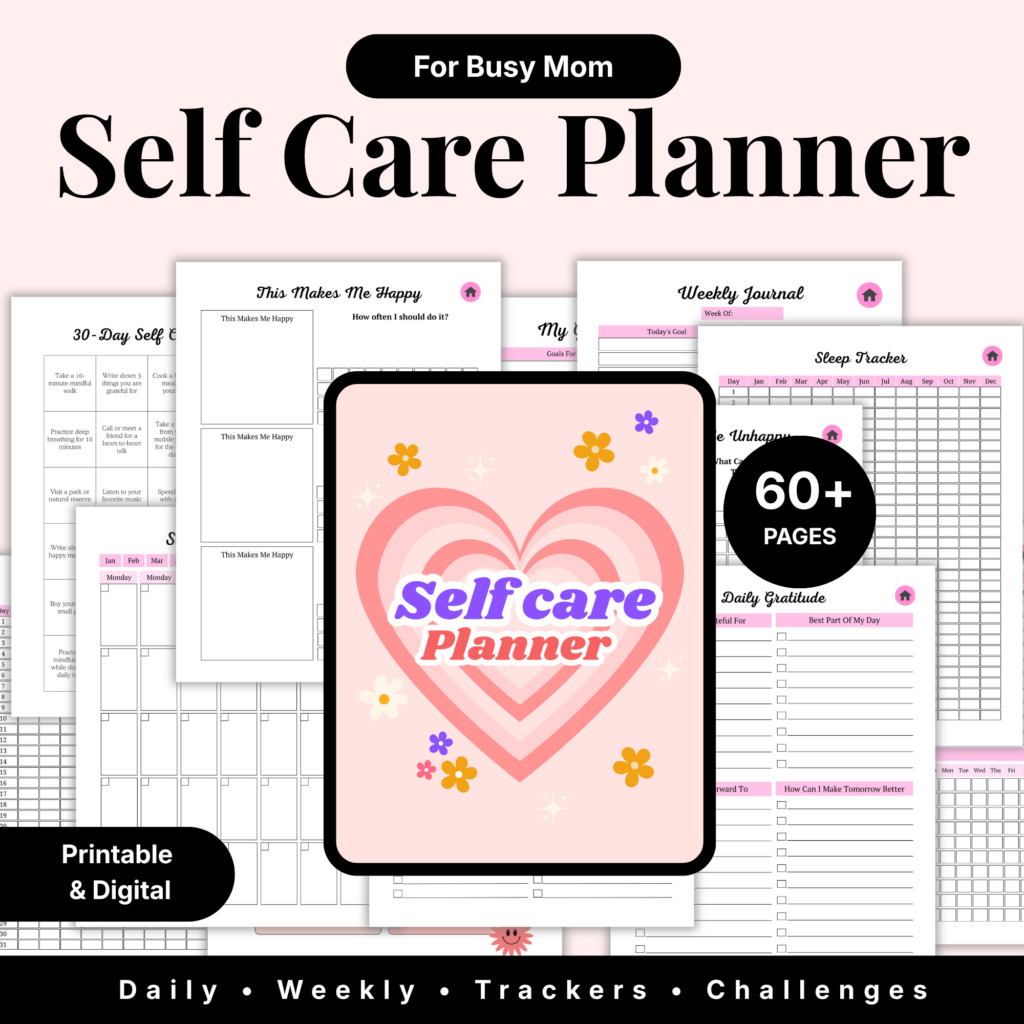
Self Care Printable Planner for Moms
this bundle helps you transition from survival mode to mindful living, reminding you that taking care of yourself is essential to taking care of your family.